













.png.webp)


































Starting Solids: Everything You Need to Know on your Baby’s Weaning Journey
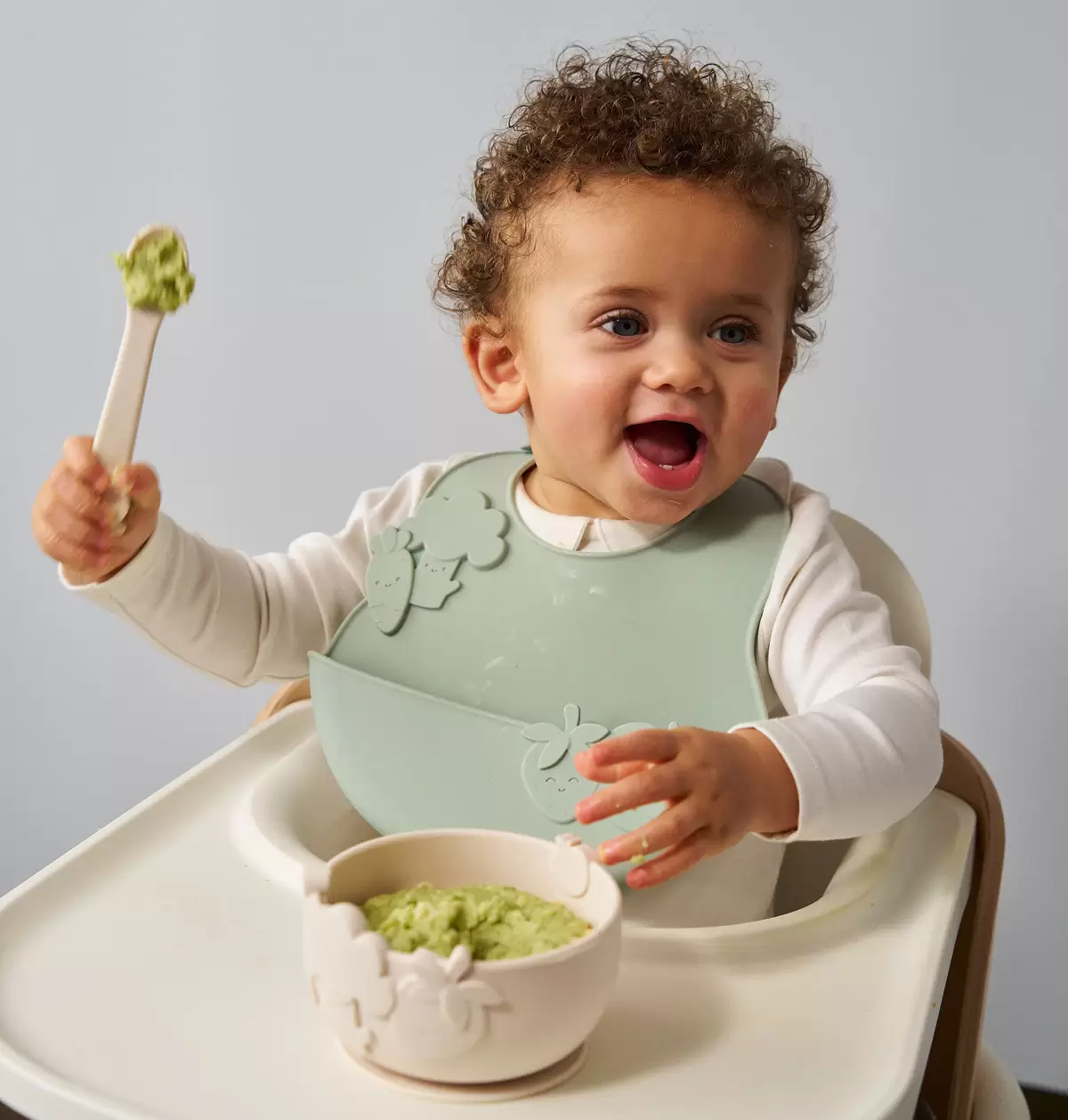
By the UK’s No. 1 baby & children’s cookery author Annabel Karmel
Introducing your little one to solids is a big milestone – exciting, memorable and, let’s be honest, sometimes a little nerve-wracking! But I find it best to think of baby weaning as a gentle introduction to the wonderful world of food. It’s about colours, textures and tastes (plus plenty of funny faces and messy hands along the way!) Here’s everything you need to know to feel confident as you get started on your journey with starting solids.
Mighty Milk Still Matters
In the early days of weaning, it’s not about how much your baby eats, but about helping them explore and get used to new flavours and textures.
Your baby’s usual breastmilk or formula milk remains the most important item on the menu. Around 500-700ml per day is needed right up until their first birthday. Solids will sit alongside milk at first, gradually expanding their menu as their confidence grows (remember, their tummies are still tiny!).
Baby-Led or Spoon-Led?
Most babies are ready to start solids at around 6 months, as recommended by the World Health Organization. But remember that every baby develops at their own pace and the good news? There’s no one right way to wean.
Some babies love smooth purées, others are keen to dive straight into finger foods, and many enjoy a mix of both. You can start with purées if that feels comfortable and begin offering soft finger foods from 6 months. The key is to follow your baby’s lead and keep mealtimes relaxed and fun!


First Tastes: Keep It Simple
When it comes to those baby's first foods, simple is best. Start with a single vegetable purée such as carrot, parsnip or broccoli.
Babies are naturally drawn to sweet flavours because milk is sweet, which is why it’s important to introduce bitter vegetables early on – think spinach, courgette, broccoli and cauliflower. Once your baby is happy with single vegetables, you can start combining flavours and gradually introduce fruit.
Not a Fan? Try, Try Again
If your baby pulls a face or refuses food, don’t worry – it’s completely normal. It can take up to 15 tries for a baby to accept a new flavour.
Stay calm, keep offering it now and then, and avoid pressure. Persistence really does pay off.
Fantastic Finger Foods
Finger foods are brilliant for encouraging independence and helping babies develop hand-to-eye coordination.
Start with soft, easy-to-hold foods cut into long strips (around 5–6cm), such as:
- Avocado wedges
- Banana ‘lollipops’
- Steamed carrot batons
- Broccoli florets
- Pear slices
A good rule of thumb: the food should be soft enough to squish between your fingers, but firm enough for your baby to grip.


Gagging vs Choking – What’s Normal?
Gagging is completely normal when babies learn to manage food. It can look dramatic, but it’s how babies protect themselves as they move food around their mouth. Choking is silent and rare when foods are prepared safely and babies are sitting upright. Always supervise meals and offer age-appropriate textures.
Important Nutrients to Watch
As your baby becomes more confident with food, it’s time to focus on key nutrients:
- Iron is essential for growth and brain development. Offer iron-rich foods such as red meat, chicken, lentils or fortified cereals twice a day, or at every meal if your baby is vegetarian.
- Omega-3 fatty acids found in oily fish like salmon and mackerel, support brain development – aim for twice a week.
Top tip: Pair iron-rich foods with vitamin C-rich foods (like tomatoes, red peppers or strawberries) to help absorption.
Introducing Allergenic Foods
Common allergenic foods such as egg, peanuts and dairy can be introduced from around 6 months, unless your baby has severe eczema or a strong family history of allergies.
There’s no need to delay introducing these foods – in fact, delaying may increase the risk of allergies. Introduce them one at a time, in small amounts, and watch for any reactions. If you’re unsure, speak to your doctor or health visitor for guidance.
Weaning is a Journey, Not a Race
Weaning is a wonderfully messy adventure, and no two babies are the same. Some jump straight in, while others prefer to take their time.
Be patient, keep things light-hearted and enjoy the process. Those squishy hands, smeared cheeks and hilarious expressions are all part of your baby learning to love food.

Discover Grow by Annabel Karmel – a new range of feeding essentials from the UK’s No.1 baby and children’s cookery author. Exclusive to Baby Bunting, it’s the perfect range to help nurture healthy, happy eaters.